
What was the initiative?
The refugee mobile clinic initiative aimed to empower asylum seekers and refugees to navigate the legal system within the security of their communities. Through a mobile clinic and workshops, the initiative provided: (i) efficient legal support, by handling the initial administrative stages of cases, allowing clinics to focus on complex legal matters; and (ii) collective legal resource sharing, by equipping and empowering community members with knowledge and skills to handle simple cases locally, reducing travel and expenses.
What was the community connection
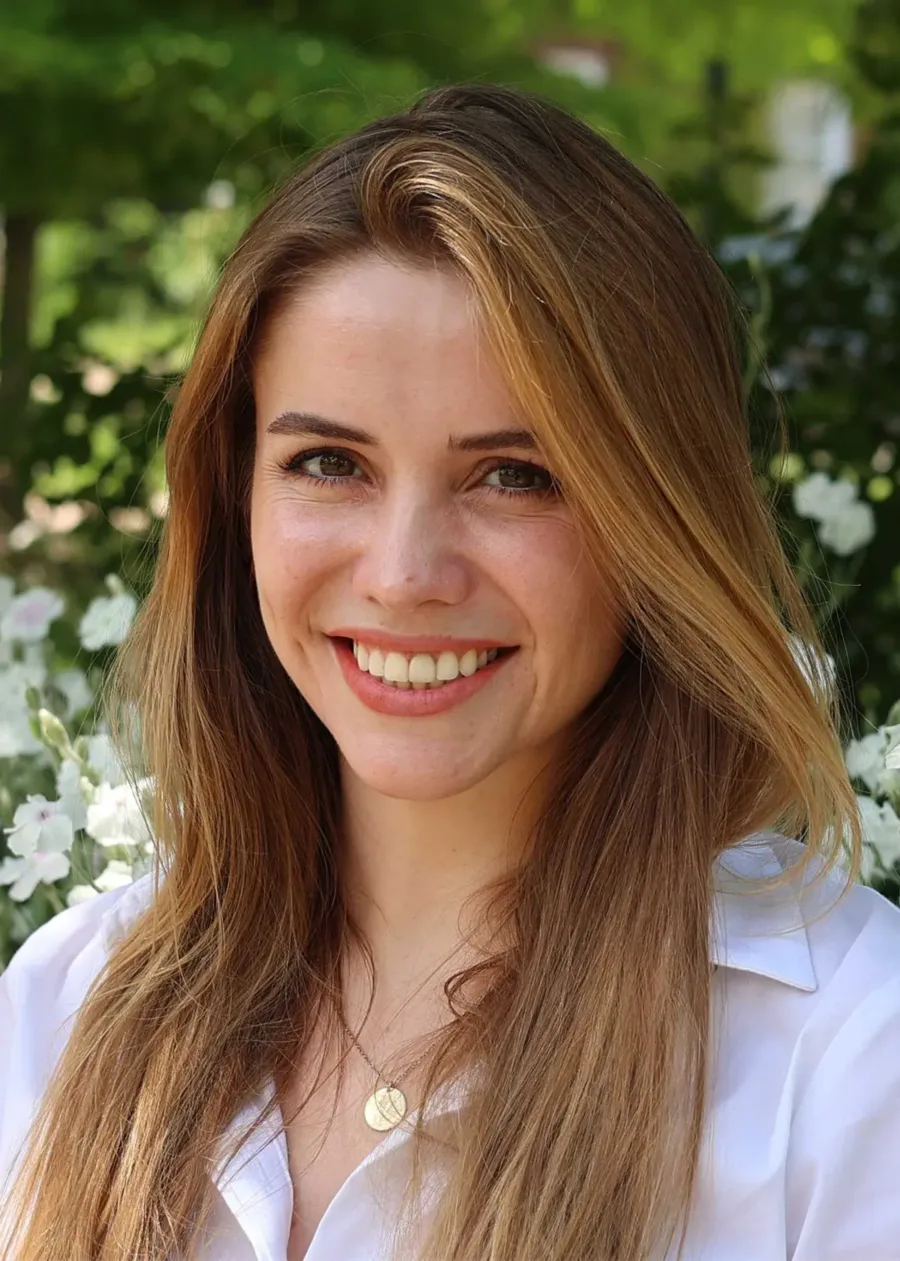
Having grown up in Johannesburg and worked closely with refugee communities through legal clinics and advocacy, Shona had seen firsthand the overwhelming barriers refugees face when accessing basic rights and services. Both refugee clients and legal professionals have consistently highlighted the need for practical, community-oriented legal support. Shona built upon existing partnerships in Johannesburg to develop solutions that directly addressed these unmet needs, creating services that worked with community realities rather than against them.
How was it innovative?
The “Law for All” initiative flipped the traditional legal aid model on its head. Instead of expecting refugees to navigate dangerous and expensive trips downtown to access services, the team brought legal help directly to their neighborhoods. At the heart of their approach was some practical legal handbooks on various topics created in collaboration with refugees and a trusted network of organizations, transforming complex legal jargon into easy-to-understand guidance.
What made the initiative truly unique was how it fostered community ownership. The small group sessions (just 2-3 people) created safe spaces where refugees quickly began teaching each other. Former clients started bringing new ones, explaining procedures, and sharing tips from their own experiences. This organic peer support network became the initiative’s greatest success.
The team adapted creatively to local challenges as well. When scheduled power cuts (loadshedding) affected communities, their mobile setup with battery-powered equipment kept support services running without interruption. Rather than imposing their schedule, they aligned with community rhythms, holding sessions after church services or at local shops where people naturally gathered.
The real innovation wasn’t just in what was done, but how it was done. By prioritizing relationships over numbers, building knowledge within the community itself, and creating resources that remained useful long after each session ended, the initiative created sustainable impact. The focus on transferring skills rather than merely providing services empowered refugees to navigate the legal system with growing confidence and independence.
What is Shona doing now?
After her fellowship, Shona is applying the insights gained during her time in Johannesburg as she completes her legal articles in Montreal. Her fellowship experience directly informs her current community work, where she advises the McGill Queen Elizabeth Scholars Program on strategic legal and advocacy initiatives and her board involvement with both the Centre for Human Rights and Legal Pluralism and the Welcome Collective in Canada.
The relationships Shona built during her fellowship remain active, as she continues collaborating with Johannesburg partners on various continuing legal initiatives. Her practical, community-centered approach now strengthens her developing career in human rights law. Meanwhile, the legal handbook she created during her fellowship continues serving refugee communities in Johannesburg, representing a lasting contribution to those navigating complex legal systems.