
What was the initiative?
This initiative focused on building and strengthening the pathways for McGill students (and others) to become more active, engaged community members in the Milton-Park neighbourhood. Specifically, it aimed to improve the quantity and quality of positive interactions between students and unhoused individuals.
Throughout the year, the initiative supported various community events, student movements, and community collaborations, focusing on three main components:
The first layer was to strengthen the network of community organizations in the neighbourhood; because if student groups and nonprofits aren’t collaborating, there’s no way for their communities to do so! Lil initiated and facilitated monthly meet-ups for all community organizers in Milton-Park to meet and discuss collaborative projects, establishing an ongoing network of over 39 organizations.
Out of those meetings was created the Milton-Park Art Hive project, a weekly event for community co-existence featuring free art creation for everyone, a free meal, and the opportunity for unhoused artists to sell their work through the Tlachiuak co-op. This project was a collaboration between over 7 organizations and more community members, and has received funding to continue longer term!
The third focus was student education. Lil helped plan and facilitate various workshops throughout the year with community members on topics such as harm reduction training, Indigenous education, and community storytelling. They are now working to integrate a foundational training on homelessness in Milton-Park into the regular offerings to first year McGill students.
What was the community connection?
During their undergraduate degree, Lil volunteered, interned, and worked at various organizations working with homelessness in the Milton-Park neighbourhood (where they also lived). During an internship with Comm-Un, they developed key personal connections with community members and a deeper understanding of the gaps in neighborhood relationships that they wanted to help fill.
During the Fellowship, Lil worked with over 10 organizations in Milton-Park, including the Open Door, the Milton-Park Citizens Committee, Tlachiuak, the Student Society of McGill University, the Quebec Public Interest Research Group at McGill, and more. Through their work they continued to create and deepen crucial personal relationships with students, community organizers, and community members with lived/living experience of homelessness.
How was it innovative?
After some substantial changes to the community context at the start of the year, this initiative was truly built from the grassroots up. Lil began the year with interviewing students, nonprofit organizers in the neighbourhood, and talking to unhoused community members all about how relationships could be bridged between the different groups in the neighbourhood.
As opposed to focusing on traditional service provision (food, shelter, etc.) this initiative strived to fill some of the key gaps in current service provision: spaces for relationship-building, dignity, healing, and community solidarity. In practice, this meant supporting and funding the “slower” development of programs that focused on art, healing, education and safe dialogue.
This initiative also directly supported community leadership by involving unhoused individuals from the start to design initiative offerings. Very importantly, community members were compensated not only for project implementation, but also for their time spent ideating and developing this initiative with me. Additionally, we prioritized long-term programing designed to eventually be primarily managed by community members, rather than one-off events.
In developing the art hives, there was a high focus on applying consensus decision-making, centering lived experience of homelessness (by involving current community members and prioritizing equity over equality), applying a harm reduction approach (by valuing participant behaviour over substance use) and a no barring policy for community members with lived experience.
What is Lil doing now?
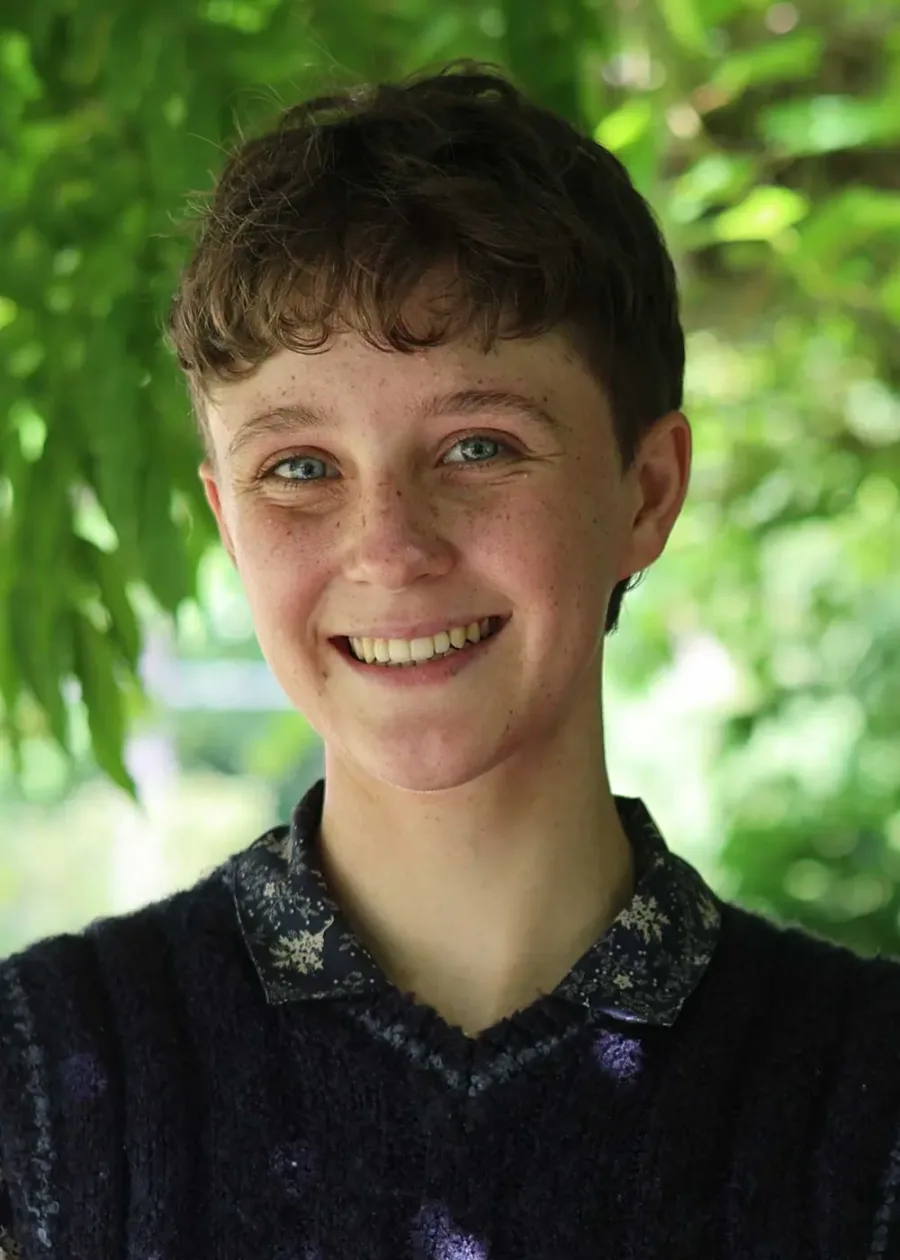
Lil is continuing to work in Milton-Park, further developing the art hives as a consistent weekly offering, continuing the monthly organizer meetings, and establishing more consistent educational programming for McGill students about homelessness and the neighbourhood. Post-Fellowship they are also continuing to pursue their circus arts performing career, and social event organizing.
They are hoping to continue working long-term in both community organizing and social education, focusing on homelessness, 2SLGBTQ+ rights, environmental awareness, and other social causes.