
What was the initiative?
Mini University (Mini U) is a seven-to-eight-week outreach program designed to help break down barriers between Indigenous communities and post-secondary institutions through positive early exposure to university life. The program brought students from Paqtnkek Education Centre to St. Francis Xavier University once a week, creating opportunities for Indigenous youth to explore campus, build relationships, and develop a sense of belonging within a post-secondary environment.
Each day was intentionally designed to provide a variety of experiences. Students participated in activities within the Indigenous Learning Lodge, explored different academic disciplines through faculty-led electives such as Business, Theatre, Art, and Anthropology, and developed their lacrosse skills while playing a culturally significant game. The day also included lunch in the university dining hall, often including plenty of ice cream, and finished the day with one-on-one tutoring sessions. These tutoring sessions became a program favourite, providing personalized academic support while fostering meaningful friendships between youth and university student volunteers.
What was the community connection?
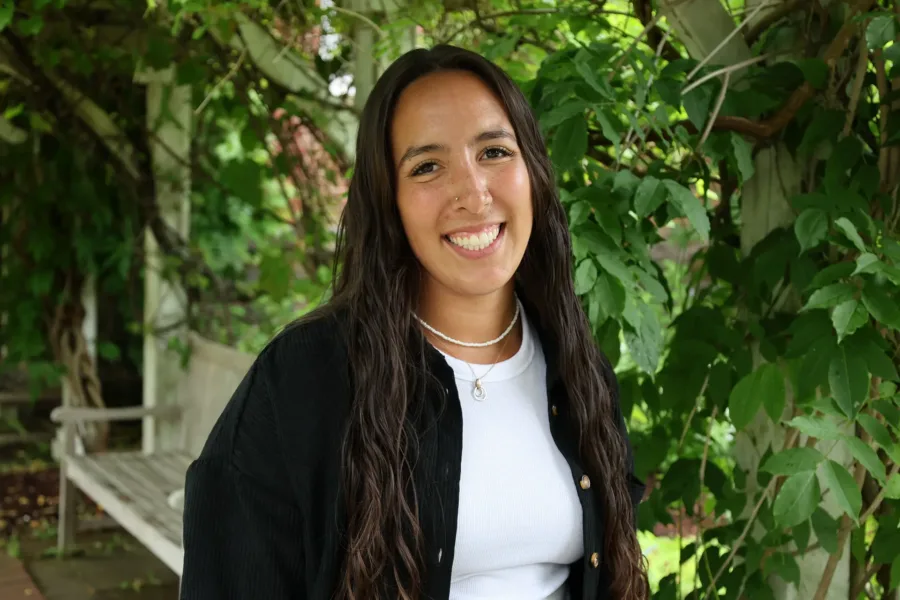
As an Indigenous woman, the community connection behind Mini U was deeply personal for Cheyenne. Growing up, she would have loved the opportunity to participate in a program like this: one that provided positive exposure to university life, meaningful mentorship, and a sense of belonging within post-secondary spaces. When the opportunity arose to build on the original pilot program, Cheyenne wanted to help ensure it became something sustainable that could continue benefiting Indigenous youth for years to come.
Having already established relationships with Paqtnkek Education Centre through my undergraduate involvement with Mini U and other outreach initiatives, Cheyenne saw an opportunity to work alongside the school to continue creating meaningful experiences for youth. By hosting the program on the StFX campus, students were able to become familiar with university spaces while building relationships with university students, staff, faculty, and
one another.
The program was rooted in community relationships and responded to a need identified by Indigenous educators, families, and community members for increased opportunities for youth to connect with post-secondary education in a positive and culturally supportive
way.
The initiative created opportunities for Indigenous youth to become familiar with university spaces while also allowing university students, faculty, and staff to learn from and build relationships with local Indigenous communities. By creating consistent and welcoming
interactions over seven weeks. Mini U strengthened connections between the university and community while supporting youth development, cultural pride, and educational aspirations.
How was it innovative?
Mini U was innovative because it focused on early exposure rather than waiting until high school recruitment years to introduce students to post-secondary education. The initiative recognized that access is about more than admission, it is also about belonging.
The program aligned with the Truth and Reconciliation Commission’s Calls to Action, particularly Calls to Action 7 and 12, by creating educational opportunities that support
Indigenous student success and culturally appropriate learning experiences.
For many Indigenous youth, universities can feel unfamiliar or inaccessible due to historical and systemic barriers. Mini U addressed this challenge by creating positive experiences with university spaces at a young age. Through hands-on learning, cultural programming, sport, mentorship, and relationship building, the initiative helped youth see themselves within post-secondary environments long before they are making educational
decisions.
A key innovation was the program’s culturally responsive approach to navigation and accessibility. Mini U recognized that participation barriers extend beyond the classroom and worked to address them directly. This included helping to coordinate transportation,
providing meals with student choice, ensuring culturally relevant learning opportunities, and collaborating closely with educators, university faculty, community members, and other interest holders. By intentionally removing barriers and centering Indigenous youth experiences, the program created an environment where students could feel welcomed, supported, and empowered.
The program fostered confidence, strengthened cultural identity, encouraged physical activity through sport, and built lasting relationships between Indigenous communities and the university. It served as an early pathway to higher education while creating opportunities for mutual learning and understanding.
What is Cheyenne doing now?
Cheyenne Toms is an Indigenous youth advocate, educator, and community leader whose home community is Tsal’alh (Seton Lake), British Columbia, and who was raised in Mi’kma’ki (Nova Scotia). Following the Fellowship, Cheyenne is continuing to create and expand opportunities for Indigenous youth through sport, education, mentorship, and community-based programming.
Alongside serving as Co-Founder and Program Director of Mini University (Mini U), Cheyenne is co-leading several youth outreach initiatives, including the implementation of
a Jays Care Affiliate School baseball program and a community basketball program throughout the summer. Cheyenne will also continue to co-lead a community lacrosse program through Lacrossing Barriers in the coming school year, further supporting Indigenous youth through sport and recreation.
In Fall 2026, Cheyenne will begin a Bachelor of Education (Elementary) at St. Francis Xavier University while continuing to lead and grow Mini U. Through this next chapter, Cheyenne hopes to further combine education, sport, and community engagement to create meaningful opportunities for Indigenous youth.
Cheyenne is passionate about creating pathways for Indigenous youth to access opportunities, build confidence, and strengthen their connections to education, culture, and community. Through ongoing work in outreach, sport, and education, Cheyenne remains committed to breaking down barriers and creating lasting, positive change for future generations.